

Community Tables.
This training will introduce how to access, organize, and invest your relational and social capital to help build thriving communities! You will feel equipped with the tools and processes to start serving on your Community Table immediately.
Settled Ethos.

This training equips Community Table members and other key supporters to make decisions and recommendations that reflect Settled’s ethos and Shared Way of Life. The aim is not simply to complete tasks or meet immediate needs, but to help build communities that embody a different, redemptive way of living together.
Every community communicates messages, whether intentionally or unintentionally. Choices about meals, spaces, rules, donations, conversations, volunteer practices, and the use of time all contribute to the culture being created.
- Nothing is “just” a thing, a decision, a meal, a rule, or a conversation.
- Cultural messages are repeated constantly; counter-cultural messages must therefore be deliberate and intentional.
- A healthy culture can drift unless people intentionally steward it.
- The question is not only “Does this solve the problem?” but also “What does this choice communicate?”The Eight Practices of the Shared Way of Life
The practices help us identify the messages we want to counter and choose tangible ways to communicate a redemptive, Jesus-looking hope.
When confronted with anxiety, busyness, and hurry,
We practice rest
to restore communion with God.
In a culture that often presents cheap and superficial options,
We practice authenticity
to restore truth.
Where otherness, and isolation are rampant,
We practice hospitality
to restore belonging.
Because individualism, and self-preservation are prevalent,
We practice devotion
to restore love.
Although waste, convenience, and consumerism are the norm,
We practice homemaking
to restore home.
Amidst messages of fear, self-reliance, and control,
We practice surrender
to restore faith.
As the drum beats: scarcity and greed,
We practice sharing
to restore gratitude.
In a world of offense, unforgiveness, and conflict,
We practice peacemaking
to restore unity.
For any practice or decision, move through the following questions:
Identify the message: What familiar cultural message might be operating here?
Consider the impact: How might that message affect our Neighbors and our community? Avoid assuming that every Neighbor has the same experience; practice curiosity.
Reframe with hope: What Jesus-looking truth or hope could we communicate instead?
Choose intentionally: What could we do—or avoid doing—to make that hope tangible in our spaces, meals, policies, work, relationships, or volunteer practices?
Name the message: What will our choice communicate to our Neighbors, volunteers, congregations, and wider community?
The Full Community model In a culture shaped by anxiety, busyness, and hurry, a community can intentionally communicate that worth is not something people must earn through productivity and that rest is valuable.
Possible community practices (group activity teach-back)
- Share unhurried meals and create spaces where people can sit, linger, and connect.
- Make room for play, walks, celebrations, and Sabbath rhythms.
- Avoid scheduling every minute or treating constant activity as proof of progress.
- Recognize that sleeping, settling, or temporarily withdrawing may be part of healing—not necessarily failure.
- Train volunteers not to equate participation with progress.
Purposeful work is important. Purposeful rest is too.
A well-intentioned idea is not automatically the right choice for a particular community. The Shared Way of Life helps us consider whether a solution communicates the values we want to embody.
Example: A congregant offers to organize a drive for gently used mattresses. The generosity is real, but the table should consider what the choice communicates and whether it meets the needs of the community. It’s not about whether the idea is good or bad; it’s about
“What does this situation need?”
- What is the generous intent behind the offer?
- What assumptions might be underneath it?
- What might the gift or decision communicate to our Neighbors?
- Which Shared Way of Life practices should inform the decision?
- Is there an alternative that better reflects dignity, belonging, and the kind of home we want to create?
- How can we respond with gratitude and grace, without shaming the person who offered help?
The goal is not to assume that used items are always wrong or that quality must be expensive. The goal is to discern what is appropriate in context and to align our choices with the culture we are building.
If it is determined that the idea might not be right for the situation, how should you respond?
- Acknowledge and appreciate the generous intent behind an idea or offer.
- Explain the purpose behind a decision rather than simply rejecting an idea.
- Gently help others understand the messages the community is trying to communicate.
- Invite people into the vision instead of making them feel judged; see it as an opportunity to help frame and educate.
- Practice deep gratitude for ideas and engagement.
- If you are unsure how to respond, seek guidance from a Shepherd or Settled team member.
Community Tables extend the capacity of the community. Members use their relationships, networks, and collective resources to help solve problems and move work forward. The task is not to do everything alone, but to connect people and resources in service of shared priorities.
Plan: Help develop the operational framework, connect resources, and establish community practices.
Build: Coordinate volunteers, identify partners, procure needed resources, and prepare for opening.
Steward: Support ongoing community life, volunteer engagement, maintenance, and sustainable solutions.
- We are not simply completing tasks or meeting needs; we are helping build a culture.
- Every decision communicates a message. Intentionality and congruence matter.
- Use the eight Community Practices as filters for decisions—not as a checklist for judging people.
- A Shared Way of Life is a journey – not a destination.
- Start with curiosity about how a choice may land for others, especially people whose life experiences differ from our own.
- Respond to generosity with gratitude and grace, while still being clear about what best serves the community.
- Every person and community is at a different point in the journey. Start where you are and keep stretching toward a Shared Way of Life.
The Bottom-line Takeaway: Every choice we make is an opportunity to reinforce the messages of the world—or to embody a different way, a redemptive way, of life shaped by Jesus.
The Full Community Model.
The Full Community approach is designed to address the root cause of chronic homelessness, which is the catastrophic loss of family. There are five elements to a Full Community Model:
Intentional Neighbors: People who willingly change their current lifestyle to live life alongside formerly homeless neighbors. This helps heal the brokenness that can come from a tragic childhood.
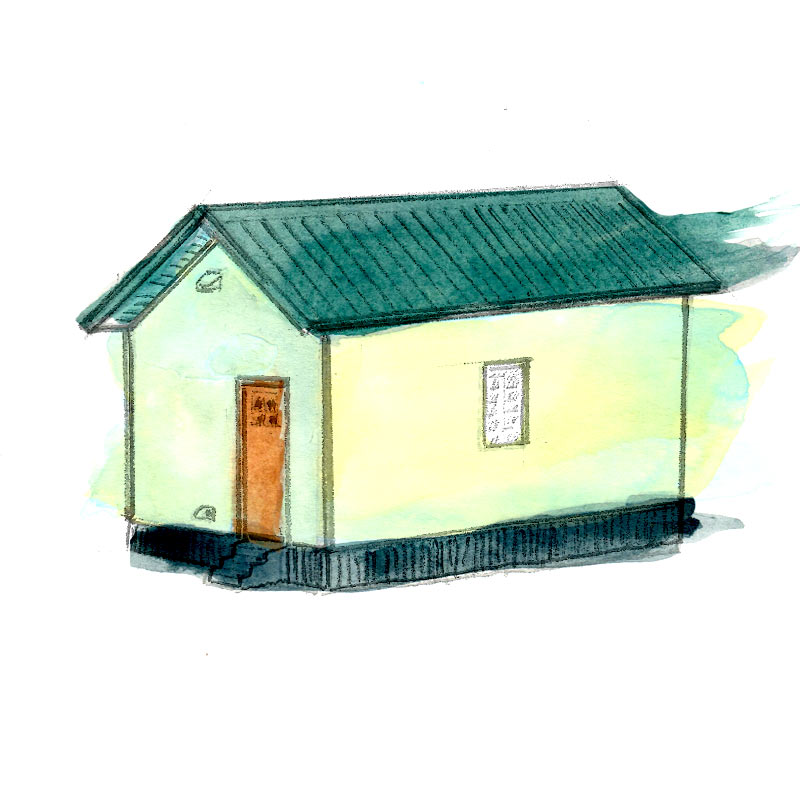
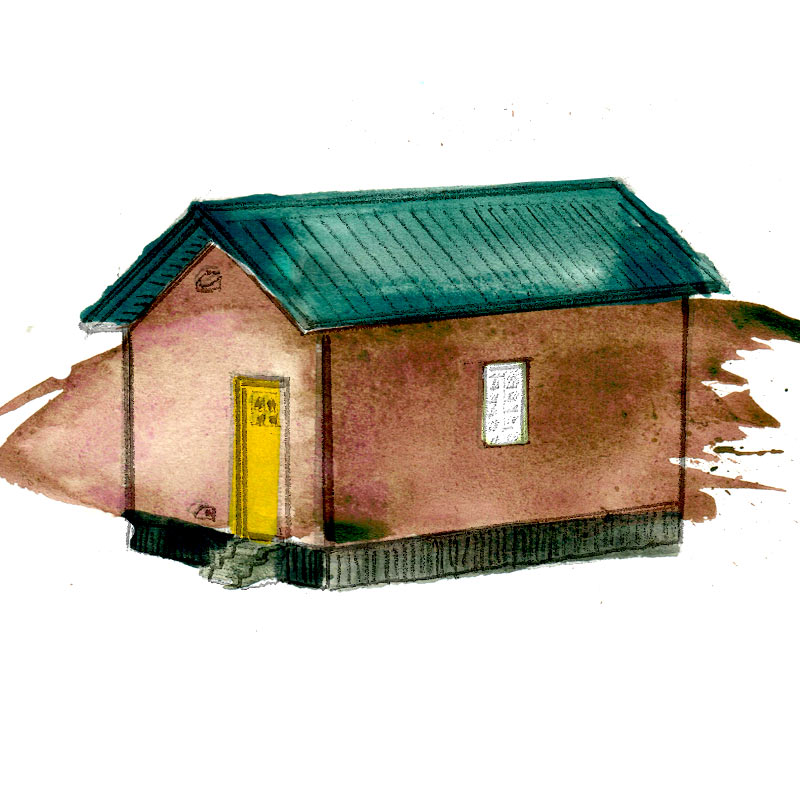
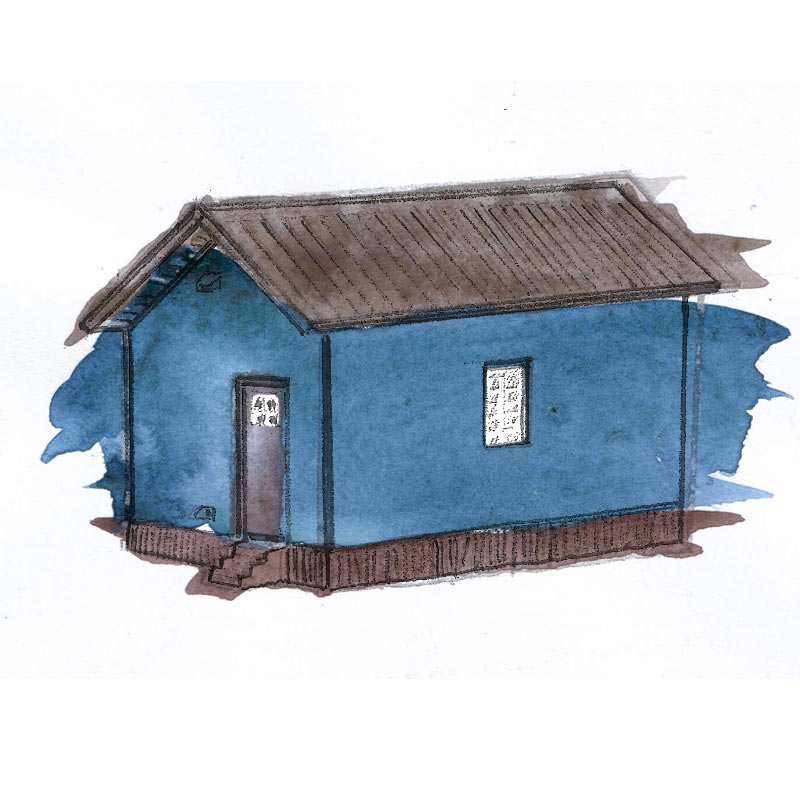
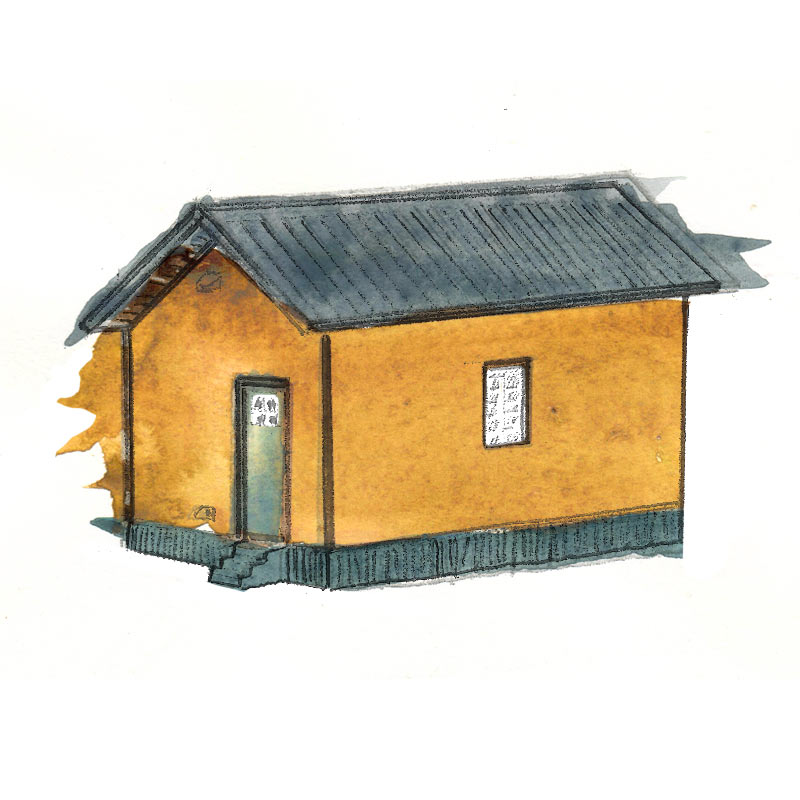
Permanent Homes: Small, simple homes are gathered together to provide safety and to help promote community. A quality, affordable home-base becomes a source of stability to build from.
Cultivated Places: The homes are placed on religious land that is carefully adapted to meet the needs of the community. These shared spaces present daily opportunities to connect with others.
Purposeful Work: Everyone in the community shares in the labor and is compensated fairly for their work. Work gives direction to life, providing a reason to get up in the morning.
Supportive Friends: Each person has one or more helpers to navigate services and to be supported with friendship. This helps restore a sense of trust in positive healthy friendships.
Each person has one or more helpers to navigate services and to be supported with friendship. This helps restore a sense of trust in positive healthy friendships.
Research demonstrates that the standard approach to homelessness (called “Housing First”), which focuses on providing shelter and professional services, often falls short, as it fails to address the need for integration into a supportive community. The model acknowledges that many experiencing long-term homelessness face unresolved trauma, making family-like support essential. We do this through five key elements that, when used together, provide a holistic environment in which individuals can grow and heal on the long journey toward wholeness.
We are so thrilled to include you in the work of Settled this build season. We want to be an organization that gives the Church the opportunity to be the Church. There are so many specific and timely ways you can be involved in this movement. This spring we are focused on building homes that will provide safety and stability for the most vulnerable members of our society. So don't wait to get involved, ask your church or business to sponsor a home, help build one, and pray that these homes get funded and built just the way they are supposed to.
Pray with us for these homes.
The homes that are planted at Sacred Settlements are made from quality building materials by people who donate their time and talents. But none of them would be standing without the prayers that are offered by the faithful few. Will you sign up to pray along with us in this build season?
Available home sponsorships.
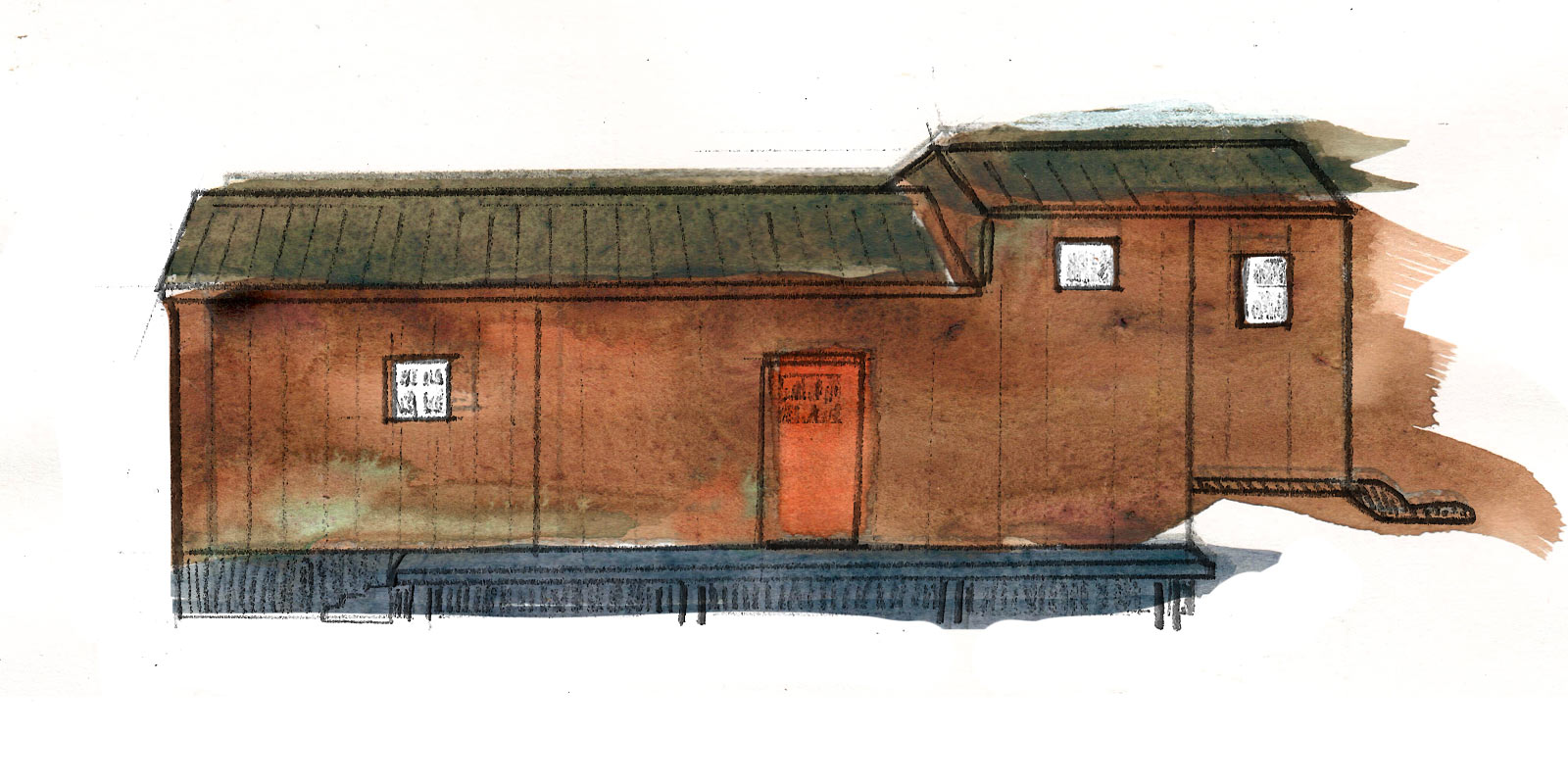
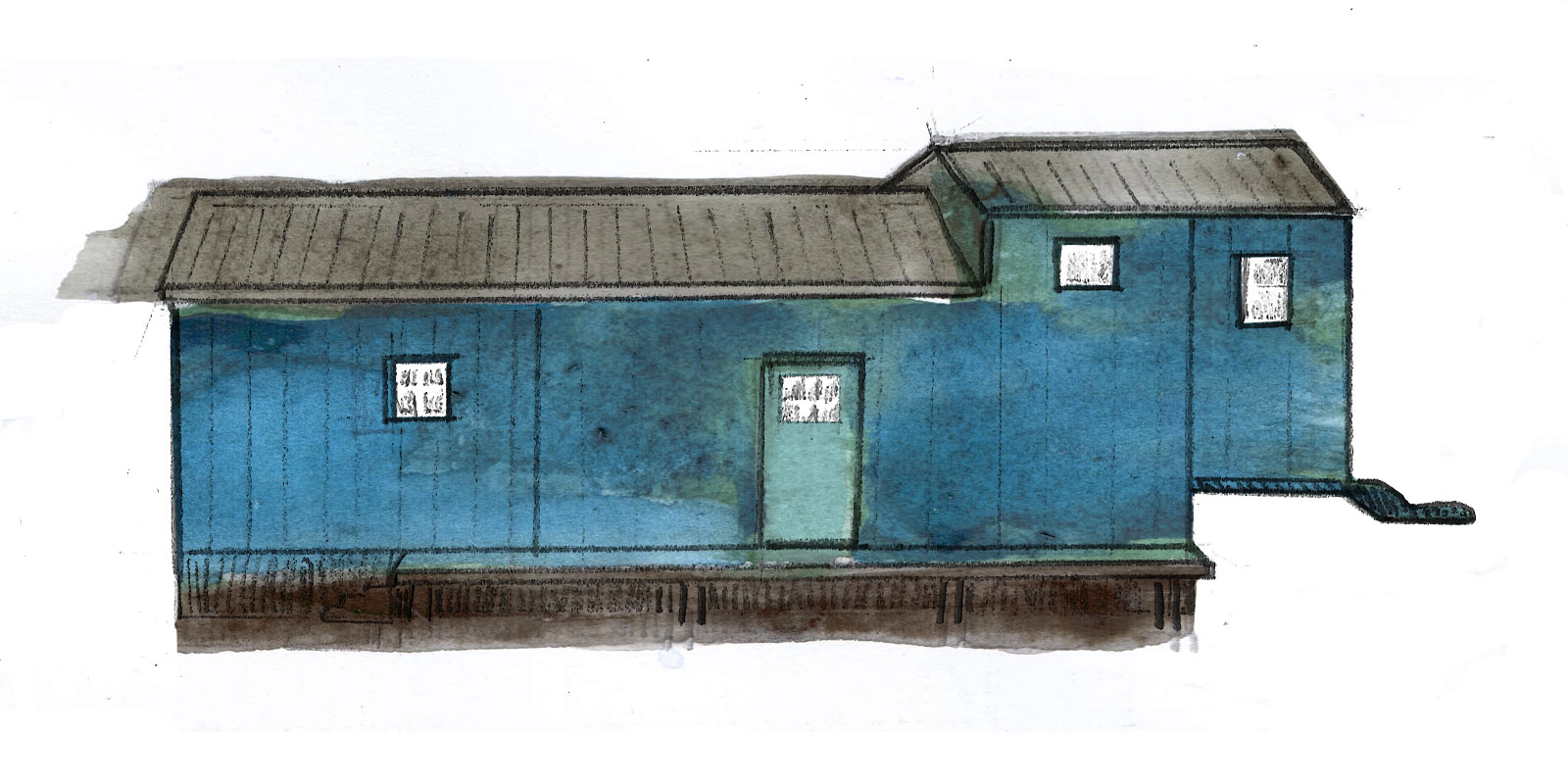
Homes have been sponsored in many ways: sometimes it's a church, sometimes a business, sometimes individuals. We have even had a home sponsored by a youth group! Before we can get started, we need to secure funding for the entire home. Here are the homes we need to fund this season. Please click on one to learn more.
Sponsor a home at Sacred Settlement Open Door.

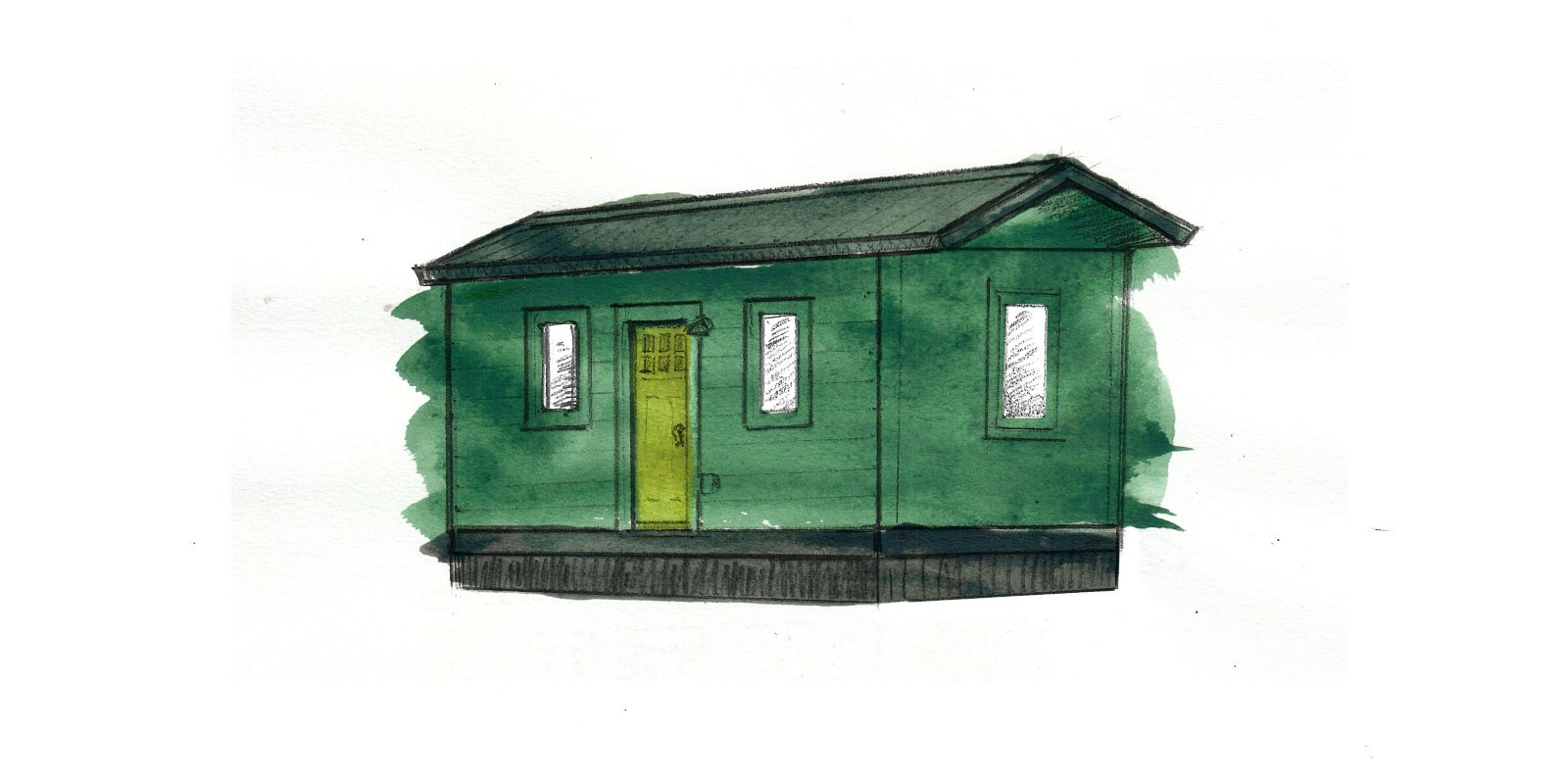
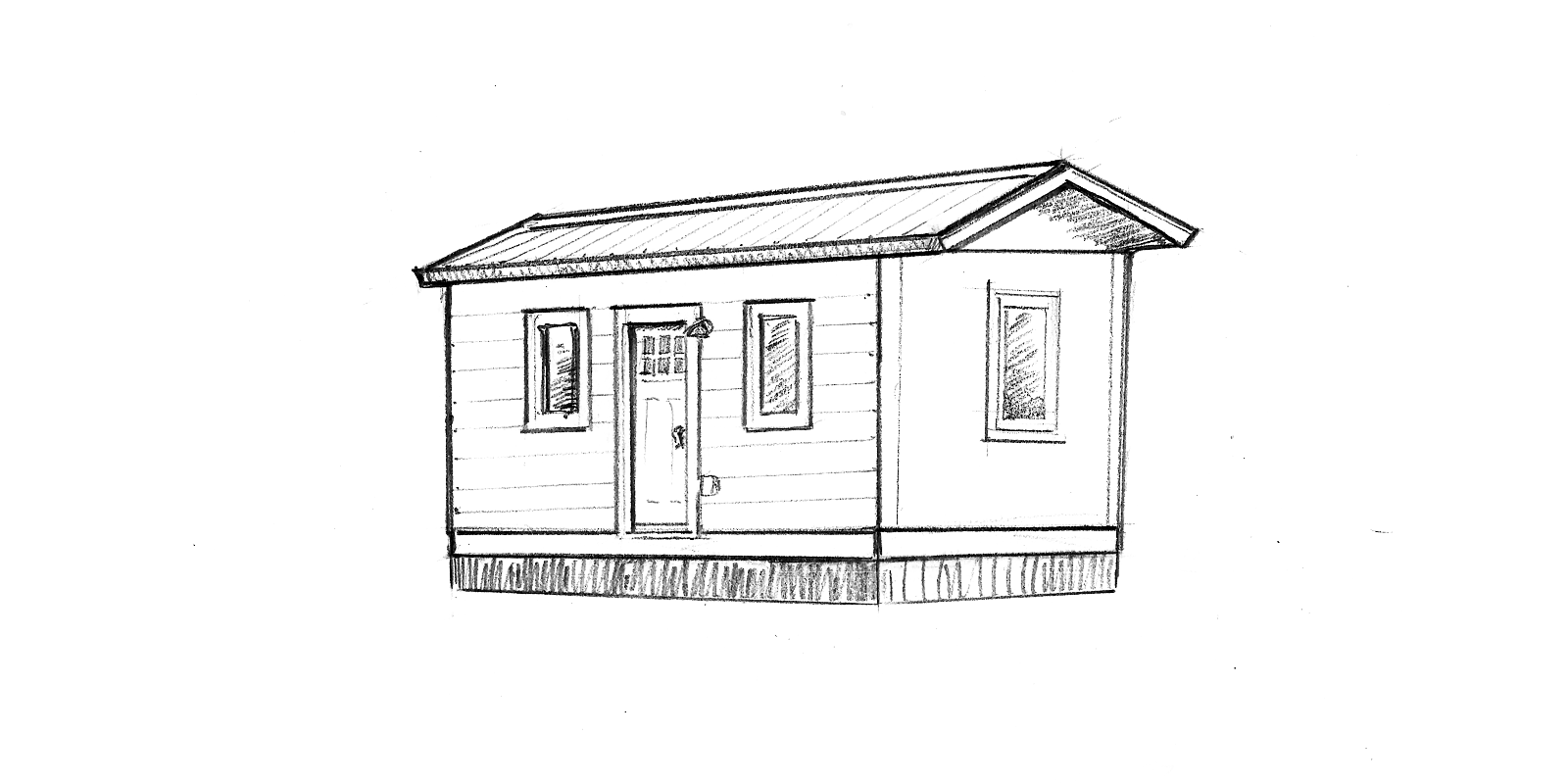


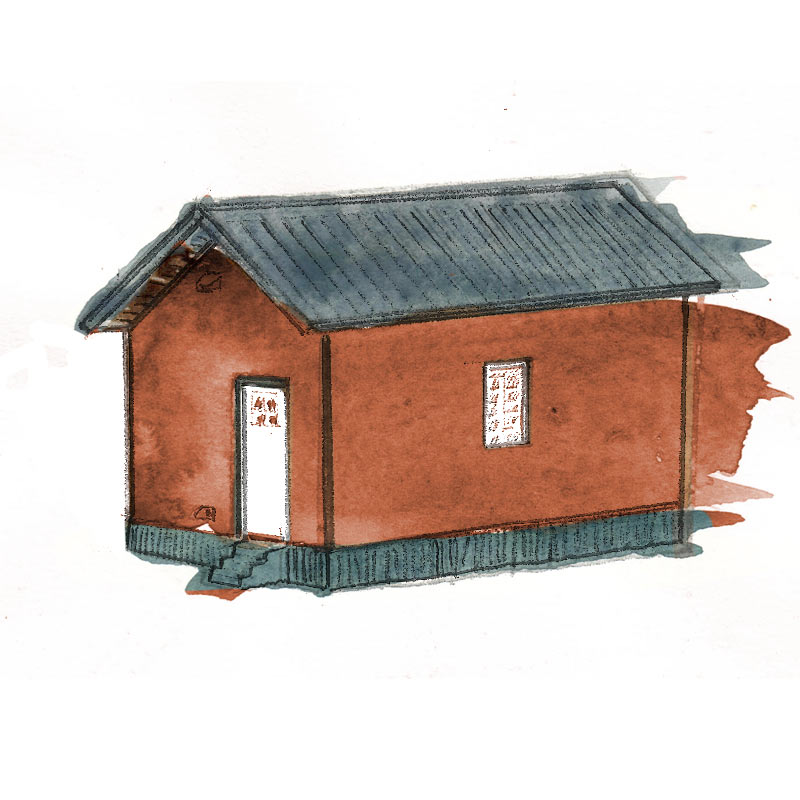
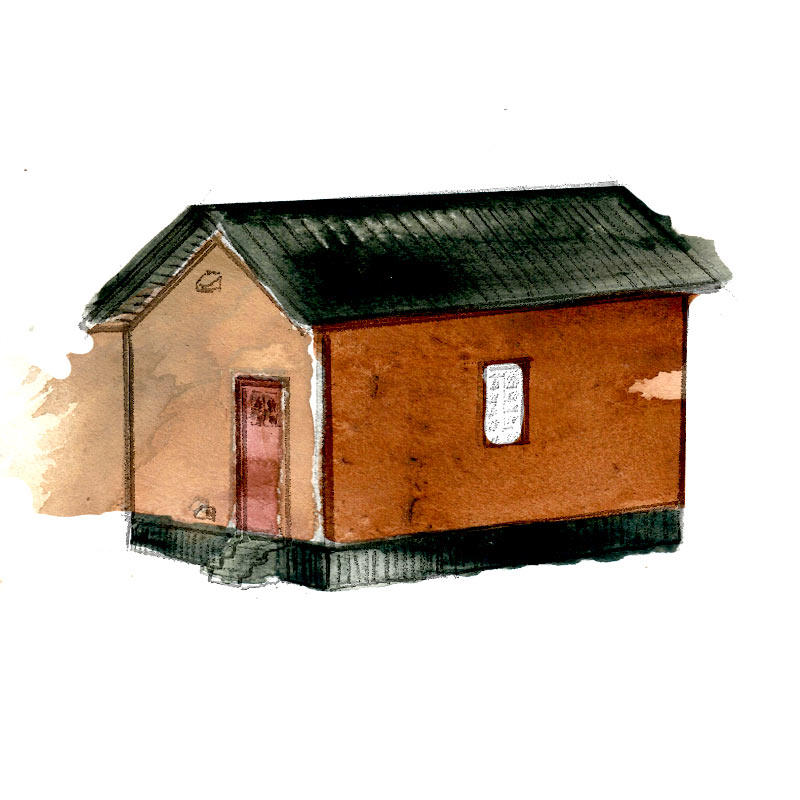
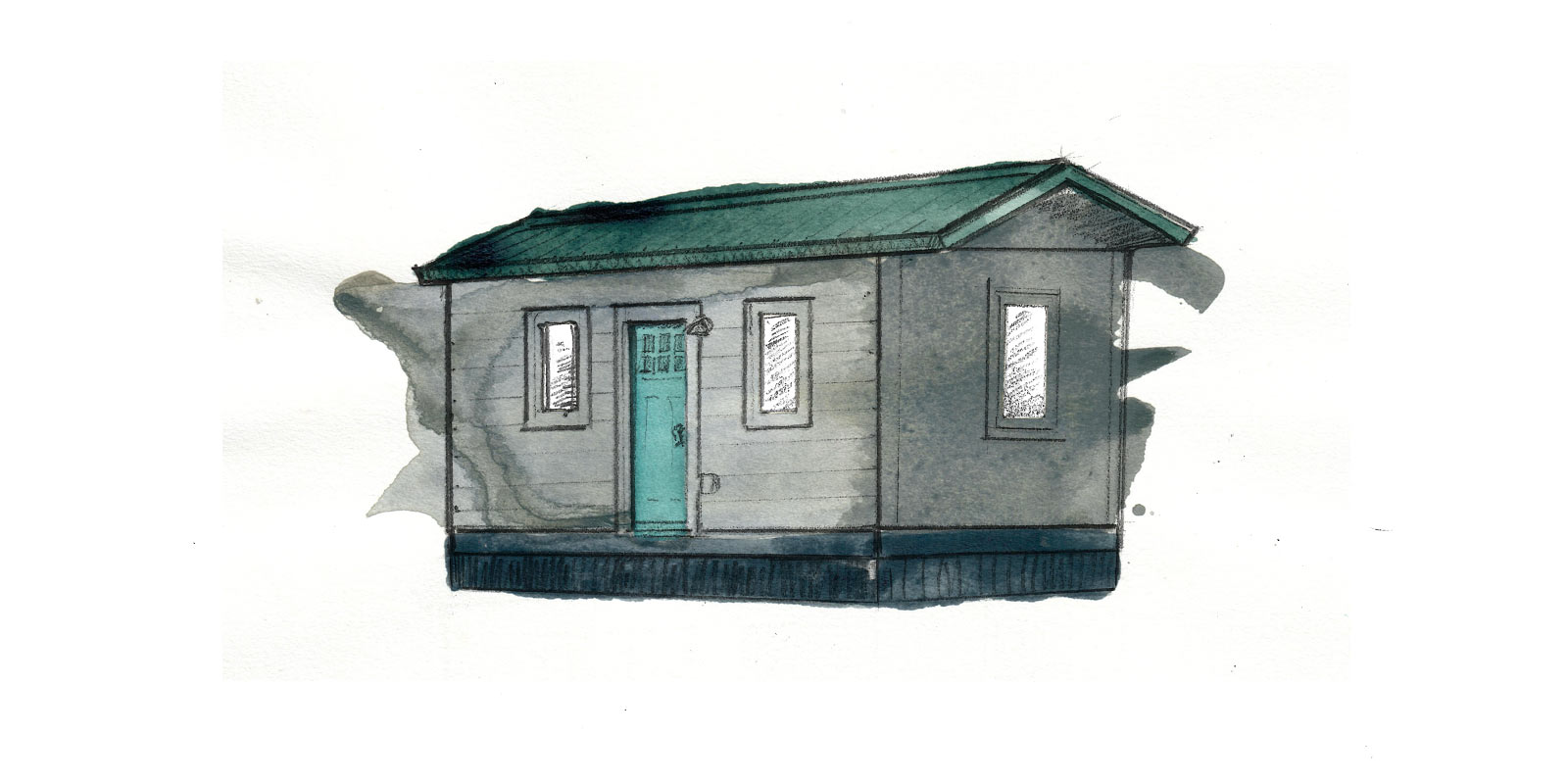
Sponsor a home at Sacred Settlement Heartwood.
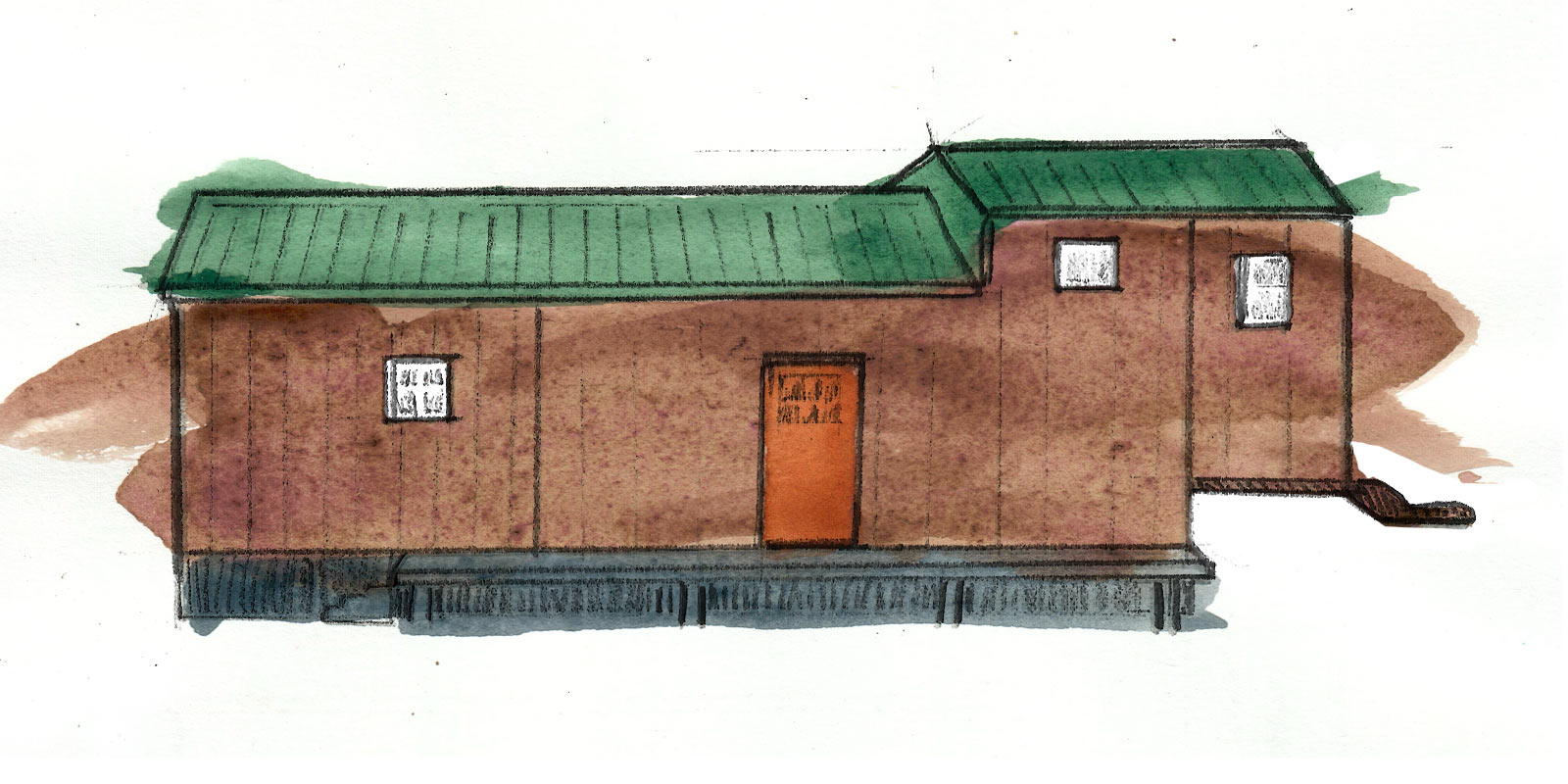
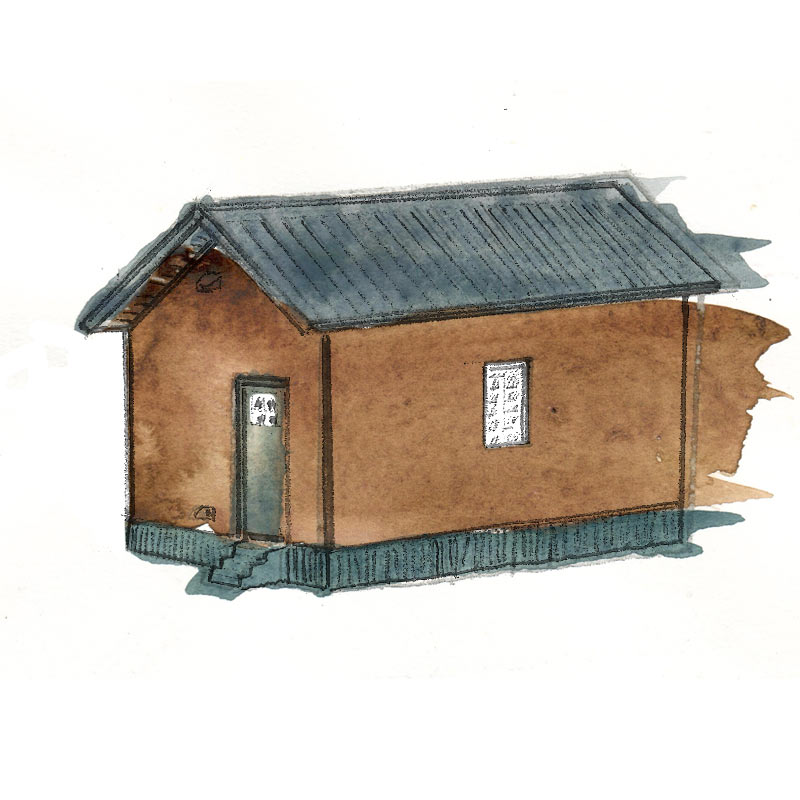
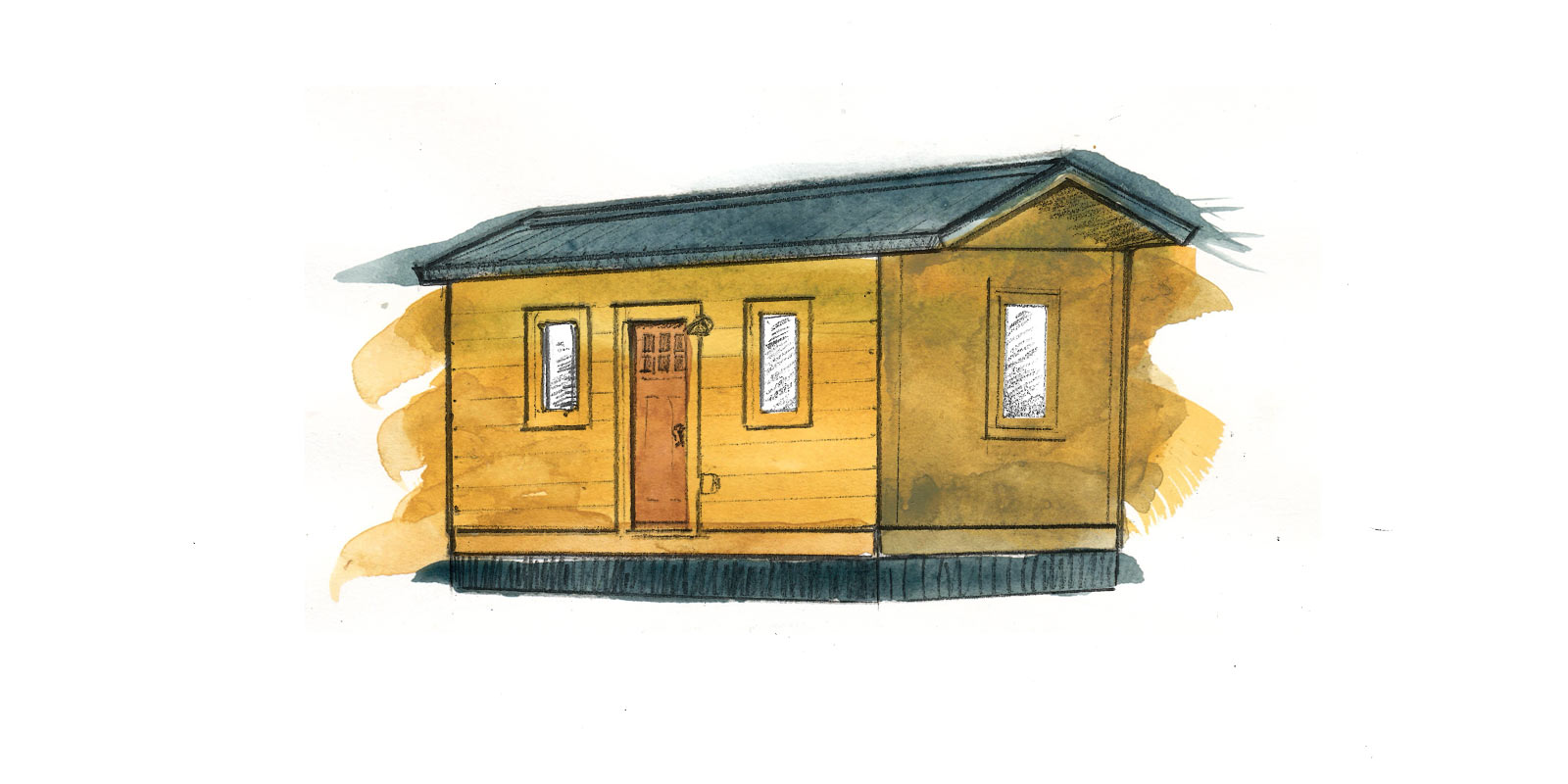
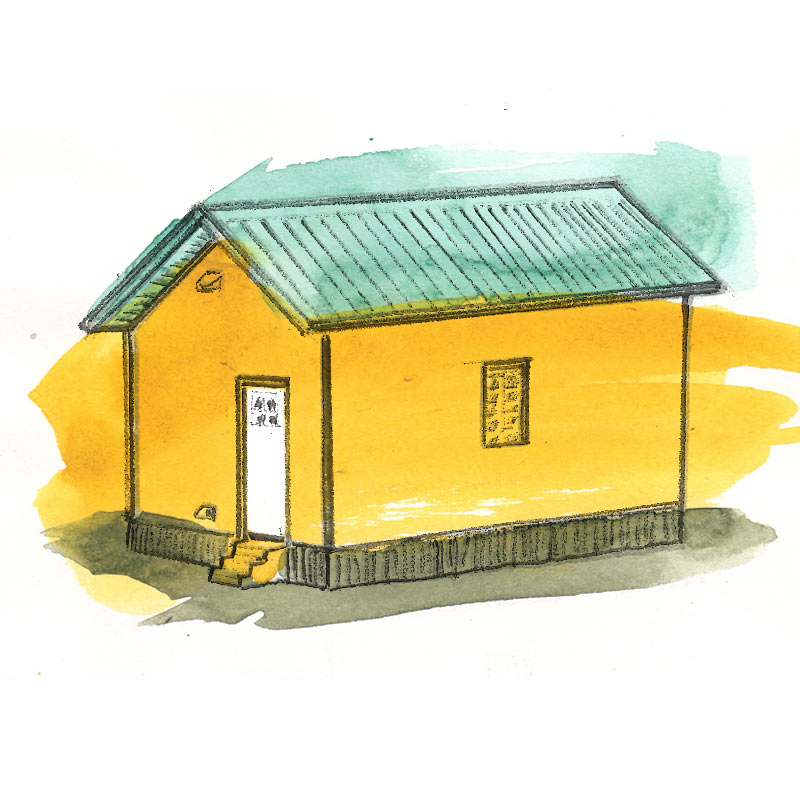
Sponsor a home at Sacred Settlement Prince of Peace.
Help us build.
It is a great honor to swing a hammer on one of these homes. They are funded by folks just like you, and they will be cherished by folks in desperate need of them. Sign up to help below.
